
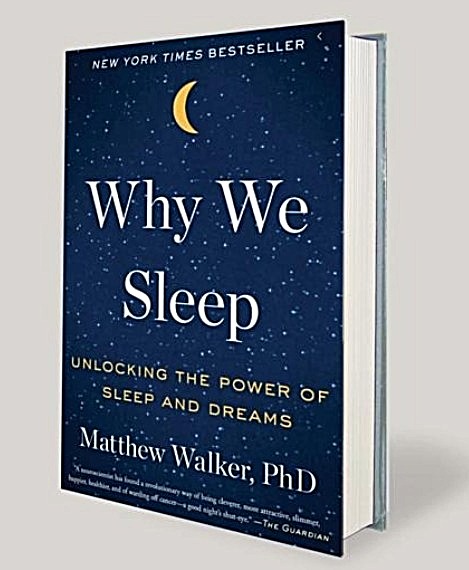
I picked up Why We Sleep not because I didn’t believe sleep was important, but because I wanted to understand how much it really matters. Like most of us, I’ve always known sleep is “good for you.” But this book made me realize how casually we ignore something so fundamental to our health and well-being.
What struck me early on is that even with all the research, we still don’t fully understand why sleep is such an essential part of life. But what we do understand—very clearly—is what happens when we don’t get enough of it. And that’s where the book becomes both eye-opening and, at times, a bit alarming.
Matthew Walker lays out the risks of sleep deprivation in a way that’s hard to dismiss. It’s not just about feeling tired the next day. It impacts memory, learning, decision-making, emotional stability, and long-term health. What surprised me is how often we accept poor sleep as normal, almost like a trade-off for being productive. In reality, it quietly reduces the very productivity we are trying to protect.
Since reading the book, I’ve made small but intentional changes to how I approach sleep. Nothing drastic—just being more mindful about consistency, environment, and routine. The difference has been noticeable. I feel more rested, more focused, and overall more balanced. As we get older, this becomes even more important. Sleep is no longer something we can take for granted; it’s something we have to protect.
One part of the book that made me pause was Walker’s discussion on sleep medications. It’s easy to think of them as a quick fix when sleep becomes difficult. But the book explains why we should be cautious. Medicated sleep is not the same as natural sleep, and in some cases, it may come with its own risks. That was an important reminder—solving sleep problems isn’t just about forcing rest, but about understanding and supporting how our body naturally works.
Reading this as a parent made it even more personal. My daughter is about to start college, and this book reinforced something I want her to understand early: sleep is not something to sacrifice. It directly affects how we learn, think, and function. We spend so much time advising young people on what to study and how to succeed, but we don’t emphasize enough how important it is to rest properly. Without that, everything else becomes harder.
What also stayed with me is how modern life, especially in tech-driven environments, often works against good sleep. We push for longer hours, constant connectivity, and higher output, sometimes ignoring one of the most basic requirements for human performance. There is a certain irony in trying to optimize productivity while neglecting sleep.
In the end, Why We Sleep doesn’t introduce a new idea—it reinforces an essential one with clarity and urgency. For me, the takeaway is simple: sleep deserves the same attention as diet, exercise, and any other pillar of a healthy life. We may not fully understand it, but we understand enough to know that ignoring it comes at a cost.
And sometimes, the most important improvements in life don’t come from doing more—but from resting better.
— Bidrohi